Ways to Determine the Perfect Sliding Door Systems for Your Renovation Needs
Selecting the ideal sliding doors during a home renovation demands careful consideration of several elements. Space allocation, material choice, and design style all contribute vital roles to achieving a cohesive look. Additionally, the doors' size and functionality need to harmonize with the home's layout. Since there are so many choices, it’s essential to grasp how each option influences both beauty and usability. Which steps must be taken to ensure a successful selection?

Why Select Sliding Doors for Superior Space Utilization?
When evaluating home remodeling, many homeowners discover that sliding doors offer exceptional space usage benefits. Unlike traditional swing doors, sliding doors operate on a track, allowing for seamless changes between spaces without requiring additional clearance. This feature makes them particularly advantageous in smaller areas, where every inch counts.
In addition, sliding doors can refine the visual charm of a home by nurturing a sense of openness and uninterrupted flow. They typically showcase large glass panels that bring in natural light, creating rooms that feel more expansive and inviting.
Furthermore, glass sliding doors can be customized to complement various architectural styles, further strengthening their utility. Their adaptability permits homeowners to integrate them into both interior and exterior spaces, such as patios or living rooms, maximizing functionality. Ultimately, choosing to install sliding doors can substantially improve space efficiency while providing a modern touch to home interiors.
Choosing the Right Selection for Your Sliding Doors: A Thorough Guide
When establishing your sliding door material, the selection process serves as critical for both look and feel. An inspection of standard materials uncovers their distinguishing qualities, while review of resilience and upkeep help promise satisfying results over time. Grasping these points can educate residents in reaching an informed conclusion that fits with their remodeling targets.
Frequently used Materials Overview
Selecting the right material for sliding doors is crucial in both functionality and aesthetics. Homeowners commonly choose from several options, each offering distinct benefits. Wood provides a classic, warm look, often favored for its natural beauty and versatility in design. Aluminum is lightweight and modern, known for its corrosion resistance and a smooth finish. Vinyl is an energy-saving option, providing excellent insulation and low maintenance, while fiberglass merges durability with a wood-like appearance. Glass, particularly in large panels, enables maximum light and connectivity with outdoor views, improving the overall ambiance. Each material's choice should match the homeowner's style, budget, and intended use, ensuring a ideal fit for the renovation project.
Durability And Upkeep Considerations
Reviewing durability and maintenance is important for homeowners evaluating sliding doors. Each material has unique strengths and drawbacks. For instance, wood gives aesthetic beauty but demands regular sealing and refinishing to stop warping. Aluminum, by explore here contrast, is lightweight and rust-proof, requiring minimal maintenance. Vinyl offers a blend of affordability and durability, resisting fading and cracking. Homeowners should also weigh the climate; coastal regions might require materials that stand up to salty air. Also, opting for doors with high-quality hardware can boost longevity. Regular cleaning and inspections will prolong sliding doors’ life, ensuring they stay operational and visually pleasing. Ultimately, selecting the right material corresponds to lifestyle and long-term maintenance priorities.
Find the Right Design Style for Your Sliding Doors
In what way can one figure out the best styling choice for sliding door options as part of a home renovation? At the outset, it is important to evaluate the property's complete visual style. Minimalist, modern designs typically embrace frameless, sleek options, whereas period homes may work well with more ornate frames and wooden elements.
Next, evaluate the environment where the doors will be installed. For instance, coastal homes might favor lighter woods or glass designs that increase natural light, while urban settings could opt for industrial metals for a contemporary appearance.
In addition, synchronizing the sliding doors with established style elements can forge a integrated look. Qualities such as color palettes, compositions, and hardware should blend into the ambient style.
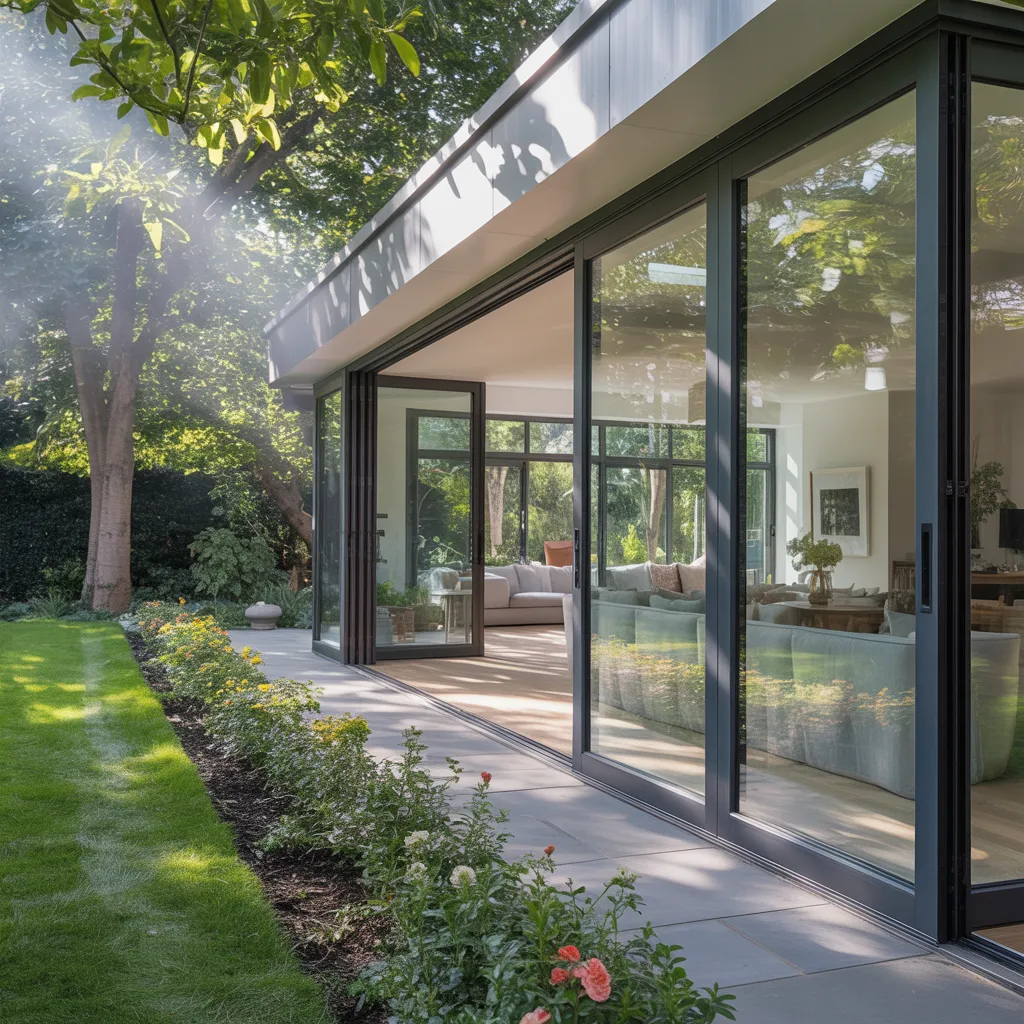
In the end, selecting the right design style ensures that sliding doors not only fulfill a functional purpose but also enhance the home's decorative charm, lending to a harmonious living space.
Picking the Appropriate Size for Your Sliding Doors
When picking sliding doors, accurate dimensions of the available space are essential to guarantee a correct fit. Moreover, the proportions of the door opening should be taken into account to preserve balance and functionality. Visual appeal also is important, as the size of the doors can affect the general appearance of the space.
Measure Your Space Exactly
Precise dimensions are vital for ensuring that sliding doors fit seamlessly within a home's existing structure. Property owners should start by measuring the dimensions of the planned doorway, noting any obstacles such as molding or fixtures. It is vital to account for the track system, which demands additional room both above and below the door. Additionally, measuring the area next to the door frame assists in determining the dimensions of the sliding door system needed. Using a level during measurements can prevent errors resulting from irregular surfaces. Property owners may gain advantages by speaking with a expert for accurate dimensions, guaranteeing that the selected sliding doors improve the aesthetic appeal and functionality of the home.
Reflect on Doorway Scale relationships
After verifying accurate dimensions, property owners must assess the proportions of the doorway when choosing glass doors. The size of the doors should match the proportions of the entrance, improving both functionality and aesthetics. A doorway that is too small can create a cramped atmosphere, while large doors may dominate the space. It is crucial to maintain a equilibrium, making sure that the doors do not block pathways or conflict with furniture arrangement. Additionally, the elevation of the glass doors should match with the roofline to create a seamless look. Property owners should also consider the general size of the room, enabling the doors to serve as a centerpiece without dominating the entire area. Correct dimensions ultimately lead to a balanced aesthetic.
Account for Aesthetic Appeal
The aesthetic beauty is important in selecting the right size for sliding doors during a home renovation. Homeowners must consider how the measurements of the doors will accentuate existing architectural features and design elements. For instance, larger sliding doors can create a prominent focal point, enhancing the visual flow between indoor and outdoor spaces. Conversely, smaller doors may allow for a more modest integration, particularly in cozy spaces. Additionally, the choice of materials and finishes should fit with the overall decor style, whether modern, traditional, or eclectic. Ultimately, the right size not only contributes to functionality but likewise improves the home’s aesthetic, establishing a harmonious balance that reflects the homeowner's personal taste.
Tips for Improving Usefulness in Your Sliding Door Area
Maximizing efficiency in a pocket door space requires thoughtful planning and design. First, consider the door's placement to ensure easy access and movement. A well-placed sliding door can enhance movement patterns between rooms or to outdoor areas, minimizing obstruction in narrow spaces.
Determining the correct scale is necessary; jumbo doors can create a outstanding visual anchor while still delivering ample light and visibility. Furthermore, selecting sliding doors featuring multiple panels can offer freedom, enabling expansive openings when desired.
Incorporating integrated shelving or seating next to the sliding door can utilize space effectively, creating the area both functional and inviting.
Finally, choosing hardware matching the door style while assuring ease of operation will improve the overall user experience. By thoughtfully evaluating these elements, homeowners can design a practical and visually attractive sliding door space that meets their needs.
What Amount Should You Designate for Sliding Doors?
What figure should homeowners realistically plan for sliding doors? The financial commitment for sliding doors can vary based on materials, size specifications, and features. On average, residents can expect to budget between $500 to $2,500 per door. Basic aluminum or vinyl options are generally affordable, while custom wood or luxury models can elevate costs.
Costs for installation also play a role in the budget, often ranging from $200 to $1,000, determined by the complexity involved and labor rates. Homeowners should factor in supplementary expenses like hardware, finishes, and any needed structural adjustments.
Ultimately, it's vital to examine the overall remodeling costs and prioritize on quality materials that improve both visual appeal and performance. Researching different styles and working with professionals can help in making informed choices while maintaining financial limits. By assessing requirements and exploring various options, homeowners can discover sliding doors that suit both their style and financial considerations.
Often Submitted Questions
Can Patio Doors Improve Home Thermal Performance?
Sliding doors can considerably enhance home energy efficiency by offering better insulation and daylight. High-quality models with energy-efficient glazing minimize heat loss, decreasing heating and cooling costs while improving overall comfort throughout your home.
What Upkeep Do Sliding Doors Demand Over Time?
Sliding glass doors necessitate regular maintenance, involving cleaning the tracks, roller lubrication, and checking seals. Over time, homeowners should additionally check for any indications of damage or wear to guarantee maximum performance and extended durability of the doors.
Do Glass Doors Present Security Concerns in Homes Containing Pets?
Sliding doors are able to be secure for pet-owning residences, if they are designed with pet-friendly features. Options include tempered glass, secure locking mechanisms, and smooth tracks to reduce hazards and assure pets' protection.
What Measures Should I Take to Secure Privacy With Sliding Doors?
To secure privacy with sliding doors, one can use curtains, blinds, or frosted glass. Additionally, strategically placed landscaping or screens can enhance seclusion, allowing homeowners to appreciate natural light while maintaining their desired level of privacy.
How Should You Identify the Optimal Lock Options for Sliding Doors?
The finest locking mechanisms for sliding doors contain multi-point locking systems, keyed locks, and foot locks. These solutions strengthen protection and deliver confidence, ensuring that the doors remain securely closed and tough to breach.